
better doctors,
make better deaths.
What’s the story?
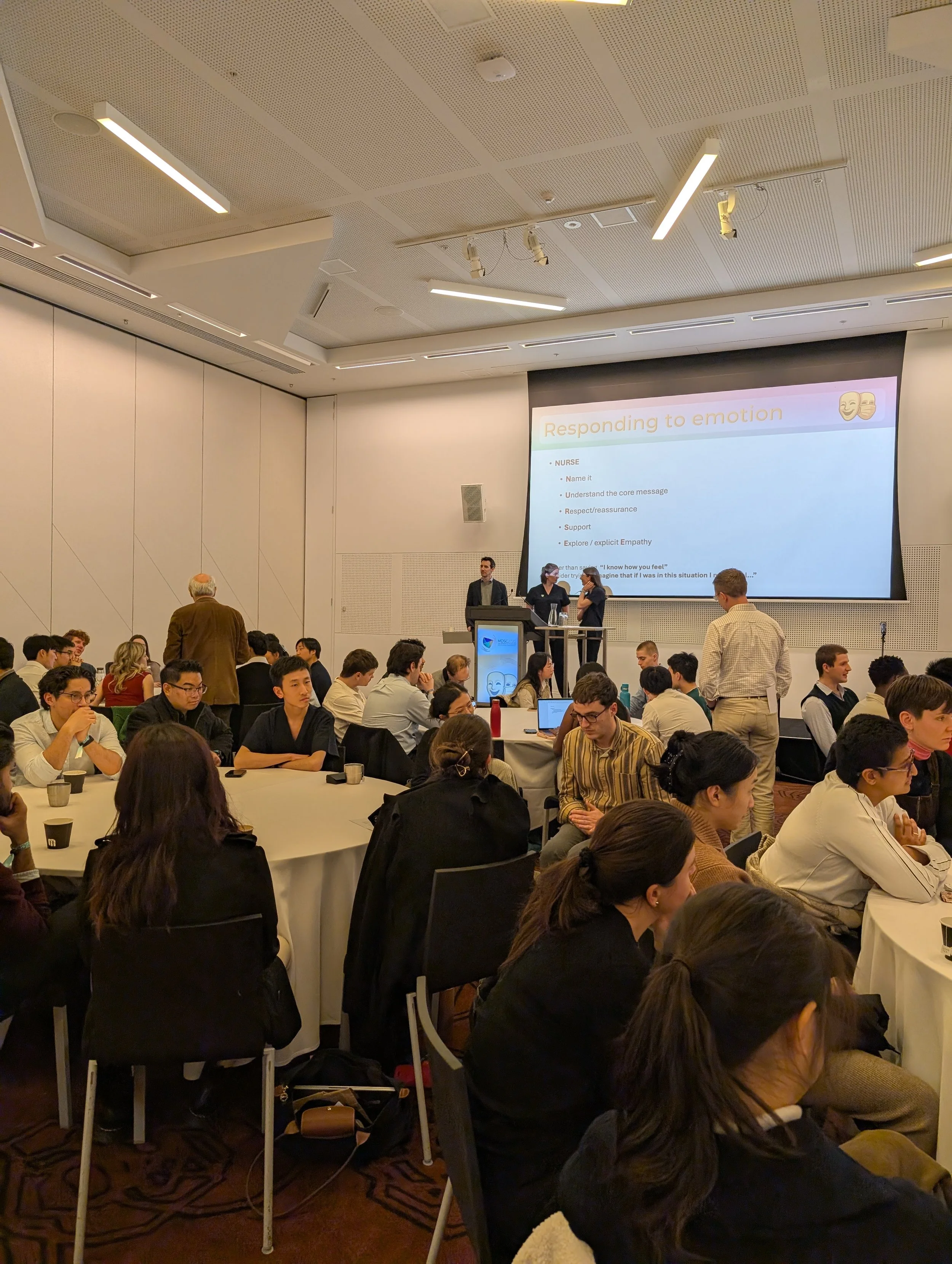
We know every doctor will face death and we believe every patient deserves more than a clinical goodbye. A Dose of Grief is helping change medicine by providing death education that helps our next generation of doctors feel more equipped to face real-life patient deaths in their careers. Through podcast conversations with doctors, communication training, and community support, A Dose of Grief is the only student-led death education platform providing medical students with the skills and resources to approach death confidently.
Founded in Melbourne by medical students Isabelle and Paris, A Dose of Grief was born out of a realisation that death was barely addressed in their own studies. Medicine is taught as the prevention of sickness, injury, and death but rarely are students taught what to do in scenarios when death is inevitable.
Sometimes, caring for patients is making already failing organs fail slower. But what if in these situations death was considered an pathway? And what if there was a culture where doctors felt confident to face death with compassion and honesty rather than fear?
Here, doctors are taught that death is not the enemy, or something to be afraid of in their career, it’s something we can learn to face as a human together. By integrating a death education early on in a way that supports doctors, we hope to have greater impact on the Australian healthcare system and the patients in the years to come, especially in an ageing society.
This is about normalising death, preparing future doctors, and improving care at every level. Because better doctors, make better deaths and medicine changes with a dose of grief.
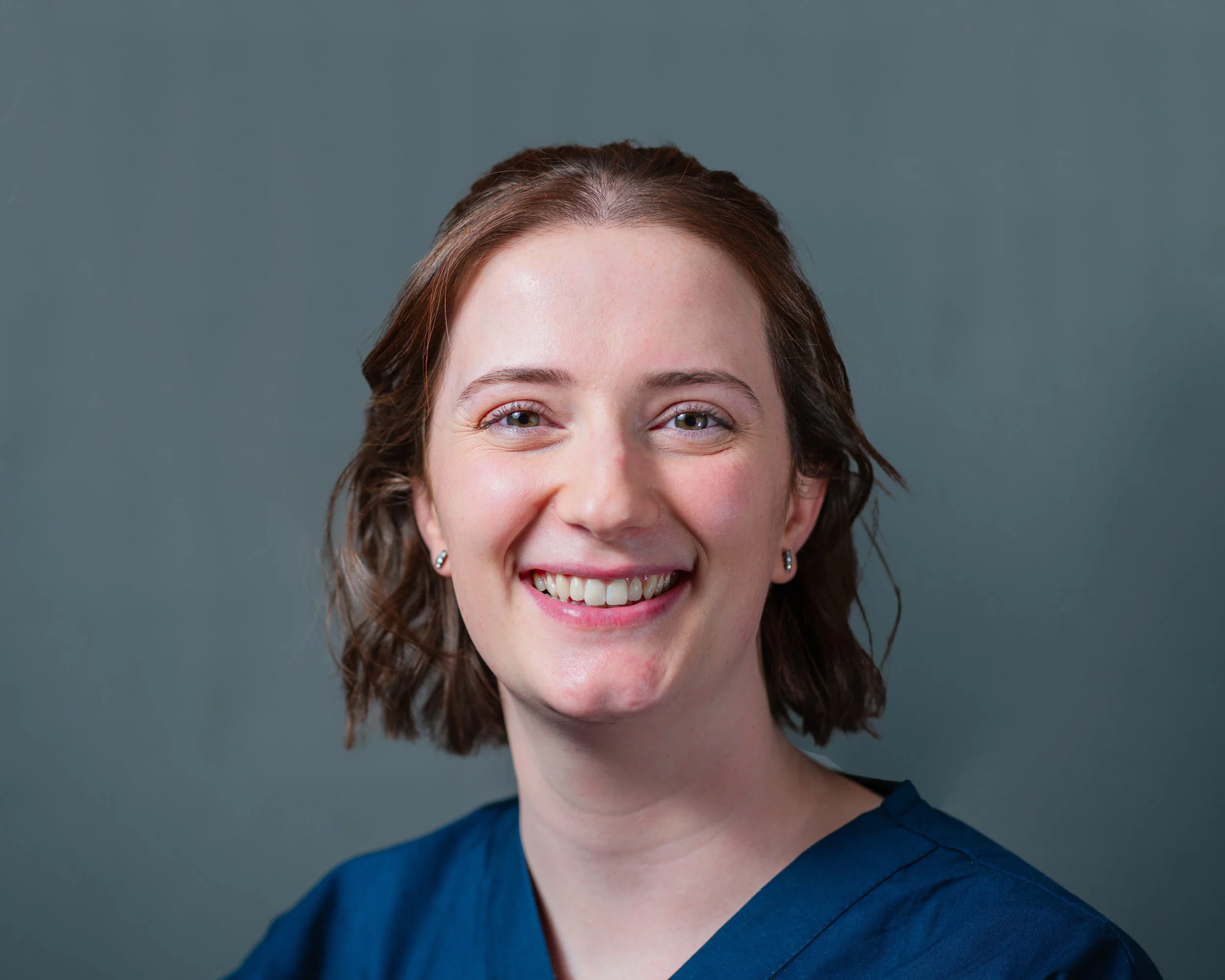
Paris
Paris began her journey in medicine with the aspiration to become a surgeon who provides compassionate and comprehensive care beyond the operating room, supporting individuals and families through all stages of life and death. Motivated by the recognition that death literacy and grief awareness are often neglected within health systems, she founded A Dose of Grief alongside Isabelle Ewert, a platform dedicated to normalising conversations about loss and promoting compassionate, informed approaches to death within healthcare and the community. Paris remains committed to serving underprivileged communities through public health practice and to advancing a culture of care that embraces death as a natural part of life. Outside of her medical pursuits, she enjoys watching women’s football, going for runs, and baking sweet treats.
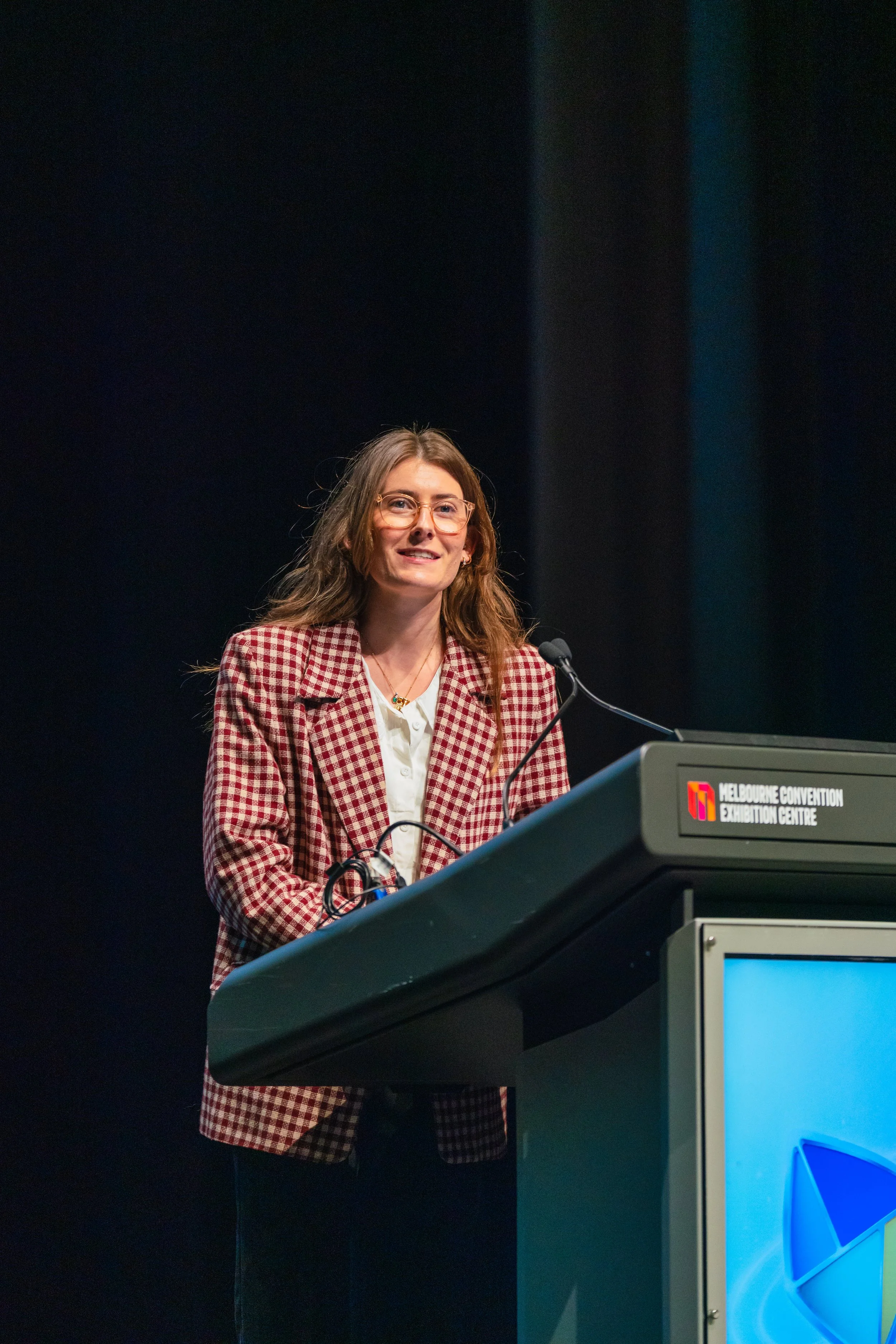
Isabelle
Isabelle came into medicine enthused to help people in their most vulnerable moments. As a passionate traveller and outdoor adventurer she is motivated to pursue her career in critical care medicine and humanitarian aid with a particular interest in global health inequity. With increasing awareness of the lack of attention given to education and support of medical professionals around death and dying, she founded A Dose of Grief with her colleague and friend Paris Matthews. Through this resource she hopes to inspire others to be open to important conversations around death and dying in their medical practice. When she is not studying or working, Isabelle enjoys taking her border collie out and about, and vintage shopping!
honesty
Breaking down taboos and openly discussing death.
evidence
Utilising evidence-based deathcare and healthcare.
compassion
Treating patients, families, and ourselves with kindness and understanding.
our ambassadors
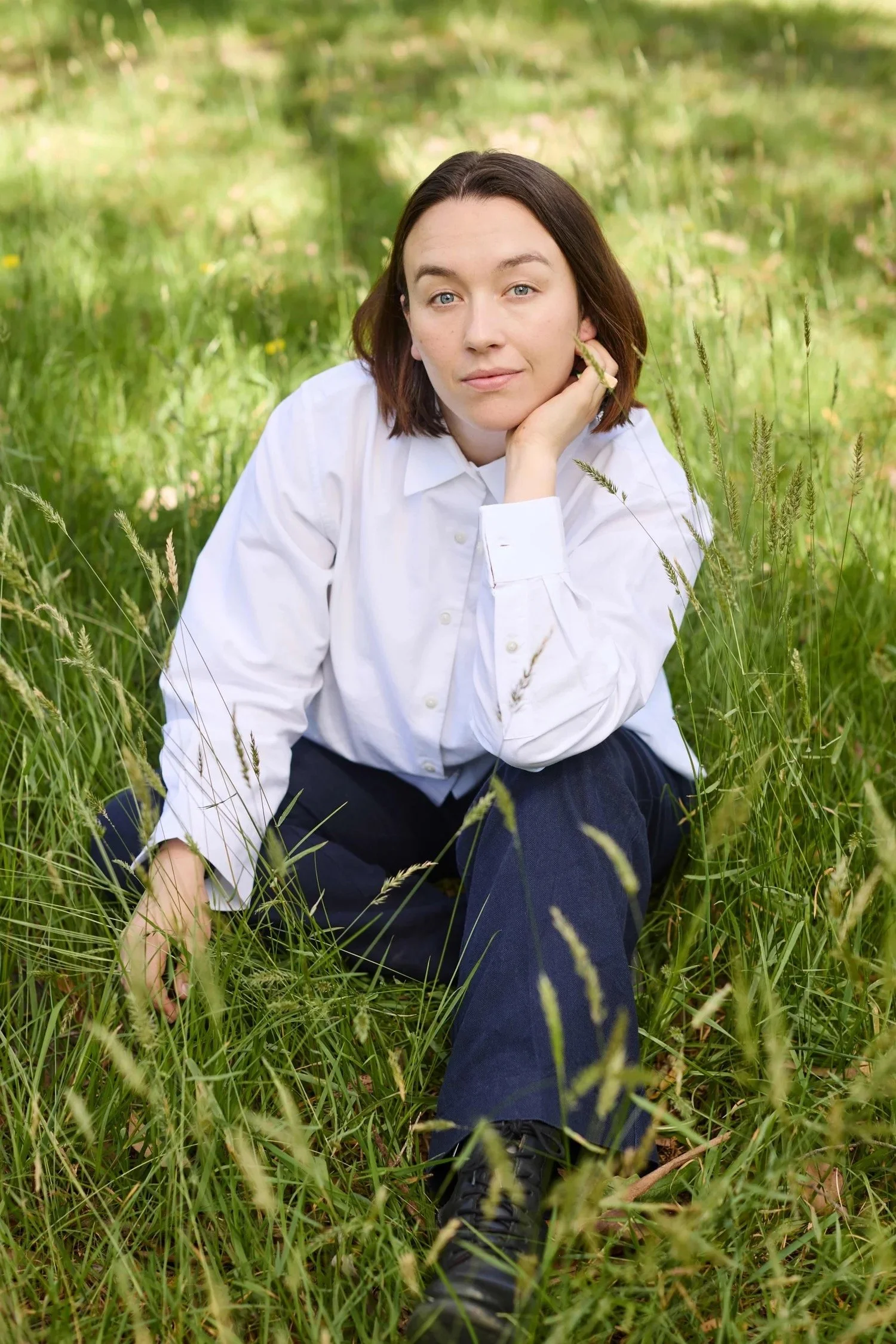
Dr Hannah Gould
Cultural Anthropologist
Hannah Gould is a cultural anthropologist at the University of Melbourne working in the areas of religion, technology, and death. Her research focuses on the processes of enchantment and disenchantment of religious artefacts, new technologies, and the natural world (including wilderness religion). Dr Gould also works with the DeathTech Research Team, studying new body disposal technologies and DIY deathcare rituals. Dr Gould is currently the Lecturer in Buddhist Studies, tasked with developing a new programme of study in Buddhism at The University of Melbourne.
Our ambassadors graciously volunteer their time to provide guidance and expertise. If you are interested in contributing to our blog, resources, or would like to get involved, please send us an email.
Sponsors